


Bagaimana Anda Memilih Kursi Santai Kain yang Tepat untuk Ruangan Anda?
Diposting oleh Zhejiang Wanchang Furniture Co., Ltd.
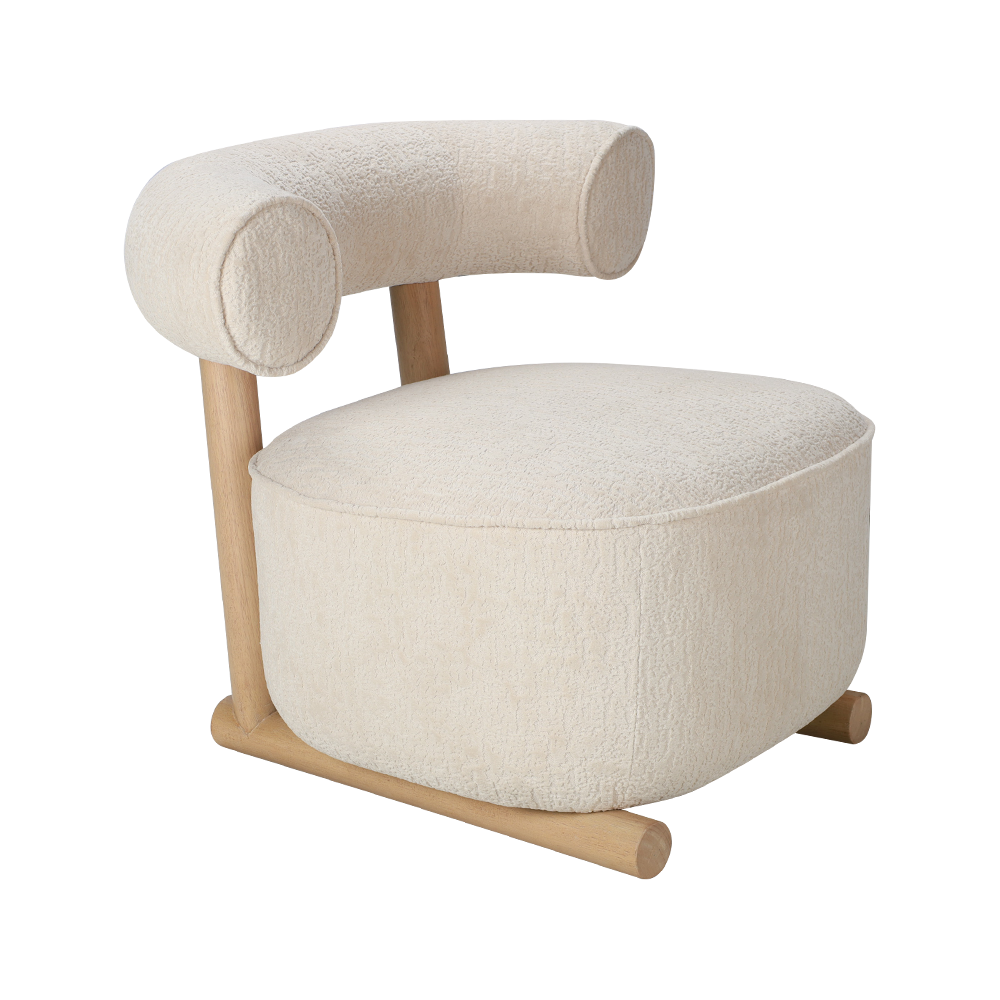
Fabric lounge chairs bring together comfort and style in a way few other furniture pieces can match. Their soft upholstery, reclined silhouette, and versatile placement options make them a favorite for living rooms, bedrooms, home offices, and reading corners. Choosing the right fabric lounge chair, however, involves more than picking an attractive color. Fabric type, frame construction, cushion fill, and placement all affect how the chair performs and holds up over years of use. This guide breaks down the practical considerations that matter most when selecting, styling, and maintaining a fabric lounge chair.
Understanding Fabric Options and Their Performance
The fabric covering a lounge chair affects its comfort, durability, and maintenance needs just as much as its appearance. Some fabrics are chosen for their softness and visual warmth, while others are selected because they resist stains, fading, or wear in high-traffic households. Understanding the strengths and limitations of common upholstery fabrics helps narrow down choices before shopping.
Common Fabric Types
- Linen: breathable and textured, but prone to wrinkling and less resistant to spills
- Velvet: soft, luxurious feel with excellent color depth, though it can show pile marks and requires careful cleaning
- Chenille: durable and soft with a slightly nubby texture, good for everyday use
- Performance fabric: engineered for stain resistance and durability, ideal for homes with kids or pets
- Cotton blends: versatile and easy to clean, though may wear faster under heavy daily use
Mencocokkan Kain dengan Kebutuhan Rumah Tangga
A household with young children or pets benefits most from performance fabrics that resist stains and are easy to spot-clean. A quieter, adult-only space allows more flexibility to choose delicate fabrics like velvet or linen purely for their aesthetic appeal. Considering how the chair will actually be used day to day prevents disappointment after purchase.
Mengevaluasi Konstruksi Rangka dan Bantalan
The frame and cushion fill determine how long a lounge chair will last and how comfortable it remains over time. A visually appealing fabric on a poorly built frame will not hold up, so it is worth examining construction details before finalizing a purchase.
Frame Materials
Solid hardwood frames, such as oak or beech, tend to offer the best long-term durability and resistance to sagging. Engineered wood frames are a more budget-friendly option but may not withstand heavy daily use as well. Metal frames, often found in mid-century or industrial-style lounge chairs, provide a sleek look and strong support but can feel less warm underfoot in colder climates.
Cushion Fill Types
| Fill Type | Comfort Level | Daya tahan |
| High-density foam | Firm, supportive | Holds shape for years |
| Down and feather blend | Soft, plush | Membutuhkan penggosokan yang teratur |
| Foam and fiber wrap | Kelembutan dan dukungan yang seimbang | Good long-term retention |
| Memory foam | Kontur, pelepas tekanan | Dapat melunak seiring waktu di area dengan suhu tinggi |
Memilih Gaya yang Tepat untuk Ruangan Berbeda
Fabric lounge chairs work in many rooms, but the ideal style, size, and shape depend on the room's function and available space. A chair that suits a spacious living room may overwhelm a small reading nook, so matching scale and style to the room is essential.
Living Rooms
In living rooms, lounge chairs often serve as accent pieces that complement a sofa. Wingback or club-style lounge chairs with substantial proportions work well as focal points, while slimmer armless designs suit smaller or more minimalist layouts.
Kamar Tidur dan Sudut Baca
A compact lounge chair with a reclined back and soft cushioning is well suited to bedroom corners or dedicated reading nooks. Chairs with adjustable backrests add versatility, allowing the same piece to function for reading, relaxing, or napping.
Home Offices
While not a replacement for a desk chair, a fabric lounge chair placed in a home office creates a comfortable spot for phone calls, reading, or short breaks away from the desk. A chair with firmer cushioning tends to work better in this setting than an overly plush design.
Merawat Kursi Santai Kain
Proper care extends the life of a fabric lounge chair and keeps it looking fresh for years. Maintenance requirements vary by fabric type, but several general practices apply across most fabric lounge chairs.
- Vacuum regularly using an upholstery attachment to remove dust and debris from the fabric surface
- Blot spills immediately rather than rubbing, to prevent the stain from spreading
- Check the manufacturer's cleaning code before using any cleaning solution
- Rotate and fluff cushions periodically to maintain even wear and shape
- Keep chairs out of direct sunlight for long periods to reduce fading
Comparing Fabric Lounge Chairs to Other Materials
Fabric lounge chairs offer a different experience compared to leather or synthetic alternatives, and understanding these differences helps clarify whether fabric is the right choice for a particular space. Fabric tends to feel warmer and softer against the skin, making it more comfortable for extended lounging, especially in cooler climates. Leather, by contrast, offers easier wipe-down cleaning but can feel cold or sticky in certain temperatures.
Fabric also allows for a wider range of colors, patterns, and textures, giving more flexibility for matching existing decor. However, fabric generally requires more careful maintenance than leather, particularly when it comes to stain prevention and cleaning. For households prioritizing comfort and design variety over low-maintenance cleaning, fabric remains the stronger choice.
Membuat Keputusan Akhir
Selecting a fabric lounge chair comes down to balancing comfort, durability, and style against the practical demands of the space it will occupy. Testing the chair in person when possible, checking frame construction, and considering the household's daily habits all contribute to a purchase that holds up over time. A well-chosen fabric lounge chair not only enhances the comfort of a room but also becomes a lasting, functional piece of furniture that suits its environment for years to come.
-

Kursi makan kaki logam belakang melengkung adalah perpaduan antara desain modern dan kenyamanan k... -

Kursi makan kaki logam spons ketahanan tinggi menawarkan perpaduan kenyamanan, gaya, dan daya tah... -

Kursi makan logam modern WS6357 ini menampilkan desain yang sederhana dan elegan, dipasangkan den... -

Tinggikan pengalaman bersantap Anda dengan kursi makan logam WS6353 kami dengan bantal kain, camp... -

Dibuat untuk gaya dan fungsionalitas, kursi makan kaki logam hijau WS6354 menampilkan pelapis hij... -

Kursi makan kayu karet padat ini menggabungkan tekstur alami dengan kenyamanan, menampilkan desai... -

Kursi makan kayu solid bundar WS6347 ini memadukan kenyamanan dengan desain minimalis, memasang b...

-
 Xucunwancun, Xilong Xiang, Kabupaten Anji, Provinsi Zhejiang, Cina
-
 [email protected]
Situs seluler

Akun berlangganan WeChat

Hak Cipta © 2024Zhejiang Wanchang Furniture Co., Ltd.
Semua hak dilindungi undang -undang.

